




















未分类
Length, Width and Height: A Buyer’s Guide to Getting Packaging Dimensions Right
HKKAYU • B2B buying guide
Length, Width and Height: A Buyer’s Guide to Getting Packaging Dimensions Right
Length x width x height of a package seem like the simplest parts in a packaging instruction, until you get a box so tightly packed that you can’t…
Planning brief
What usually gets confirmed early
- 主要产品方向和相关印刷组件。.
- 图样状态、数量带和审批时间。.
- 交货目的地、完成优先级和商业期限。.
目录
跳转到您需要的部分
B2B 阅读重点
买方、采购负责人或项目负责人应确认的事项
- Check how the recommendation affects specification clarity, approval flow and repeat-order consistency.
- Use the article as a buying aid, not only as a design reference: procurement, lead time and production control matter.
- Confirm the next step against commercial timing, destination market and the wider packaging brief.
Length x width x height of a package seem like the simplest parts in a packaging instruction, until you get a box so tightly packed that you can’t even move the product or a carton that appears fine in the drawing but ends up contributing unnecessary volume to all the shipments. For brand owners, sourcing teams and product launch managers, size is not simply a formality on the specification sheet to be filled in. On the contrary, it is the key decision that determines if the product fits, if the shipping cost stays within reasonable limits, and the most obvious question "Does the pack look good on a shelf or when it’s being unboxed?
This paper will help you understand precisely what length, width, and height of packaging mean and give a hands-on method of how to measure them, as well as point out mistakes in dimensions, which most often lead to time or money losses for B2B teams.
跳转到您需要的部分
- Why dimensions matter more than they seem
- What length, width and height mean on a box
- How to measure a box correctly
- Internal vs external dimensions
- The standard order: length x width x height
- Common mistakes worth avoiding
- Turning dimensions into a quote-ready brief
Why dimensions matter more than they seem
Packaging is the layer that shields products from the moment they leave production until they get to the customer or a retail shelf that is, if not in a good condition. Protection decreases even after the slightest errors with the product dimensions.
Product fit and protection. A well-sized box barely leaves any space for the product to slip while it is being handled or transported. Too much extra room leads to the movement of the item inside a cardboard box; too little results in a product or a package themselves being injured during filling or closing.
Freight and shipping cost. A lot of carriers set price for their service based on dimensional weight, meaning besides weight the actual size of the shipped package is taken into account. So a too large a box may result in freight cost being a lot even for each shipment not only for the first one.
Storage and pallet efficiency. Precise size of a package is very important. It greatly contributes towards planning and arranging the products in layers and on pallets for storage as well as optimizing warehouse space. Tiny measurement mistakes can easily snowball into big issues when a short sample moves on into the big full-scale production phase.
You can actually save money, maintain the protection level and look great at a product level by taking some time to get that length, width, and height right early on in the brief stage.
What length, width and height mean on a box
It is important to know precisely what each definition refers to before making contact with a supplier to confirm a dimension.
- The longer side of the box base is the length.
- The width But is a measurement of the shorter portion of the base which can also be seen at 90 degrees to the length.
- Height refers to the distance of the vertical side of the box from the ground.
Length + Width + Height gives us the total volume of the box or carton. These three metrics are the main basis for verifying the box size, the consumption level of the material and transporting planning with your supplier.
How to measure a box correctly
Measuring a box can be a simple task when the measuring procedure is standardized. A thorough starting brief of a box may usually be given to a production team in a form of:
- First, spread out the box with the side where the opening or the flap is facing upwards before measurement.
- Take measurement of the longer side of the base which will be the length.
- Measuring the height side of the base which should be measured at a right angle to the length side. This will be the width.
- Height measurement is the vertical distance from the base to the top of the box.
- Done, make sure the units (inches or centimeters) match the ones for the three dimensions. Also confirm with the supplier if the requested size is the internal or the external one before handing over the production team a supplier specification.
Mixing of units or mixing internal and external figures for a same spec sheet are the common issues that may easily occur from a buyer to a production team.
Internal vs external dimensions
Such differences might seem very minor at first glance; though, one of the most frequent clarification points that come up during very early packaging consultations are precisely these sorts of issues.
- Internal dimensions refer to the measurement of the space that will actually be usable inside the box. They are the numbers that let you know that the item inside will be properly protected with no chance for the product to shift around.
- External dimensions refer to the overall measurement of the boxed product (ready to ship) that includes things like board thickness and structural elements. The external dimensions are so relevant for calculating freight charges and the warehouse layout and pallet plan.
For product fit, internal dimensions are the key. Whereas, in freight and warehouse planning, the focus is more on external dimensions. A clear statement that defines in detail from the beginning the basis of reference (internal or external) will prevent having to go through several iterations back and forth when prototypes get involved.
The standard order: length x width x height
Typically, dimensions for boxes are printed in length x width x height (L x W x H) format. Although the box remains physically the same size no matter the order of the dimensions, this convention has been adopted to help prevent confusion between the customer’s team and the supplier’s production staff. A mailer box that is listed as 16 x 12 x 8 inches, for instance, is a way of saying the box is 16 inches long, 12 inches wide, and 8 inches tall.
Certain categories are more likely to use a different order for reference purposes. These are usually taller or narrower structures that may be labeled differently in the specification sheet or the supplier’s internal documentation. At that moment, better to double-check clearly than to assume the standard applies, In particular a first order with a new supplier.
Common mistakes worth avoiding
The root causes of the most problems related to dimensions in packaging production can usually be pinpointed to a few preventable errors:
- Jumbling up internal and external measurements within the same specification document.
- Sometimes using imperial, sometimes metric units in a specification sheet.
- Not checking with a supplier which way round the dimensions are.
- Measuring a material once and forgetting to re-measure it after a material or a finish change which might slightly affect its internal dimensions.
- Postponing the check on dimensions until the very last stage of the approval process when even a minor change would require redoing artwork and finishes.
It is quite a few things, but all of them are quite simple mistakes to avoid, if only the company is treating the dimensions like something unchanging that needs confirmation at the very beginning of the project and rechecking it before the product is made in the thousands.
Turning dimensions into a quote-ready brief
Correct length, width and height measurements are one of the quickest ways to bring a packaging discussion from preliminary investigations to a supplier quote a brief. A brief that is quote-ready typically has:
- A final size showing whether it’s an inside or outside dimension.
- A consistent unit of measurement applied throughout the description.
- Critical details about the product that might impact the packaging like weight, the item’s susceptibility to damage or an irregular shape.
- Range of the quantity, intended market of the product and time-frame for the delivery.
- All dependent product elements like inserts, labels or protect liner that are to be packaged in matching dimension of the primary package.
With those details settled, the supplier will be able to talk about the structure, material and cost with much less discussion, and future orders will continue to be the same since the reason of dimension in the first place has already been recorded.
常见问题
What is the correct order for writing box dimensions?
The standard convention is length x width x height. Length is the longer side of the base, width is the shorter side of the base, and height is the vertical distance from base to top.
Should I give a supplier internal or external dimensions?
It is best if you can give both internal and external dimensions to a supplier. Whereas the internal dimensions help in fitting the product, the external dimensions will allow a supplier to plan the shipping and storage. To avoid confusion when sampling, just state which is which in the brief.
Does the dimension order actually change the size of the box?
Definitely not. Just changing the sequence of the dimensions written doesn’t alter the sizes, but maybe it creates confusion between a buyer and a production team, That’s why it is better to stick to a standard order.
What is the easiest way to avoid dimension-related rework?
Confirm the unit, confirm internal versus external, and re-check measurements after any material or finish change before mass production begins.
Ready to move a packaging brief forward?
Share the product details, target dimensions, quantity band and destination market, and HKKAYU can review the structural fit, material options and production timeline for custom packaging boxes, labels, cigarette packaging or security print.
相关产品
本指南有助于解释以下产品
利用这些产品选项,将研究成果转化为与指南相关联的实际格式、结构和组件选项。.
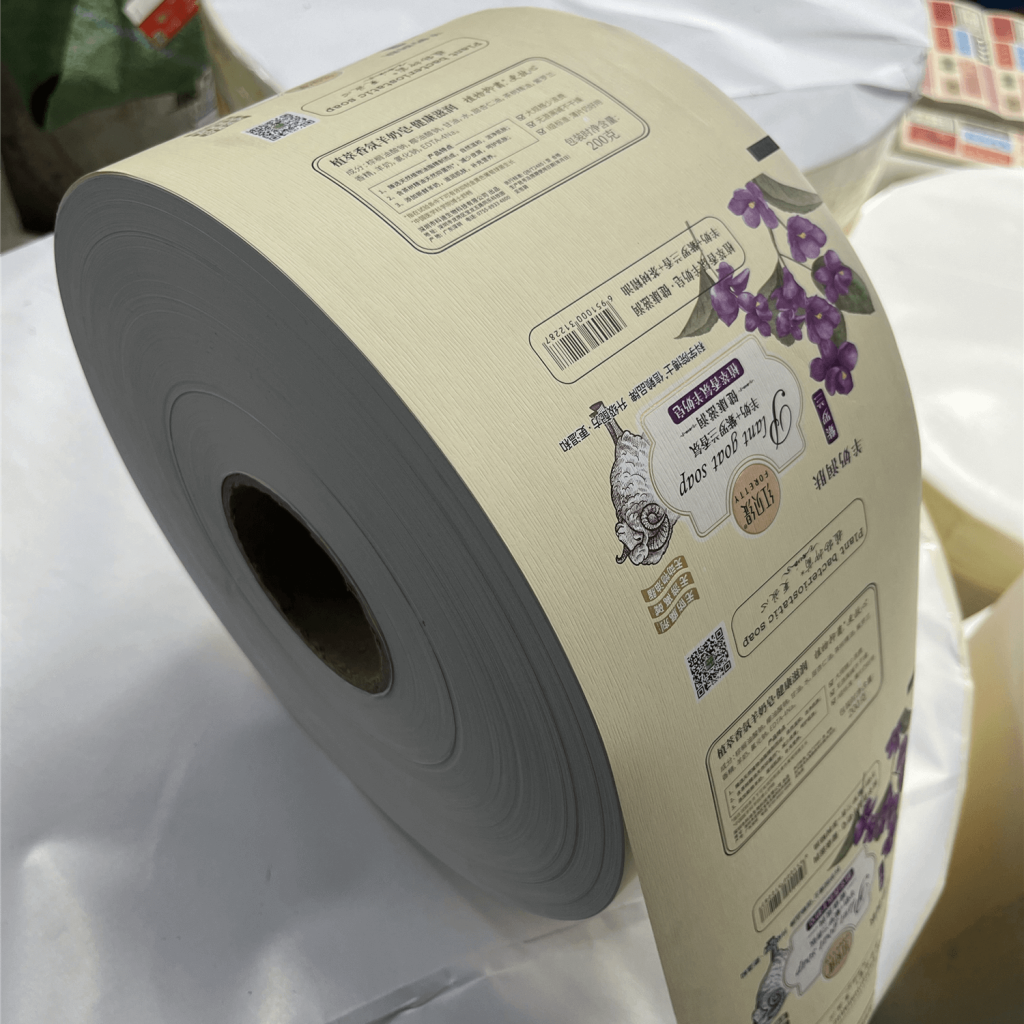 标签和包装定制印刷肥皂用蜡折叠包装纸肥皂包装膜查看定制印刷肥皂包装膜与用于肥皂的蜡折叠包装纸,作为标签和包装内的具体选项,并比较完成度、...查看产品
 彩色标签打印Cannabis Stickers: Durable, Compliant & Custom Printed Labels for Cannabis ProductsReview Cannabis Stickers: Durable, Compliant & Custom Printed Labels for Cannabis Products as a concrete option within Color Label Printing and compare finish, format…查看产品
 烟盒批发定制烟盒将定制烟盒作为烟盒批发中的一个具体选项进行审查,并比较表面处理、格式和订购是否适合您的要求。.查看产品
 香烟包装烟草包装的新趋势:卷烟保湿内衬、BOPP、PET、热封膜和可移除粘合剂开口标签回顾烟草包装的新趋势:卷烟保湿衬垫、BOPP、PET、热封薄膜和可移除粘合剂开口标签作为卷烟包装的具体选择...查看产品
连接选项
与本指南相关的商业选择
这些相关选项使指南与相关产品类别和核心商业选择保持联系,买家在咨询前通常会对这些产品类别和核心商业选择进行审查。.
常见的规划问题
What details help speed up planning for Length, Width and Height: A Buyer’s Guide to Getting Packaging Dimensions Right?
一份更简洁的起始简介通常包括目标尺寸、材料方向、成品预期、数量、市场要求和交货目的地。在开始打样或报价之前,这些要点可以消除猜测。.
Can Length, Width and Height: A Buyer’s Guide to Getting Packaging Dimensions Right be aligned with related packaging components?
是的。当相邻的组件一起审核时,工作往往会进行得更顺利,特别是在最终包装的表面处理匹配、审批、安全功能或运输性能必须保持一致的情况下。.
How can I move from research to a quotation for Length, Width and Height: A Buyer’s Guide to Getting Packaging Dimensions Right?
请在联系表格中注明主要尺寸、作品状态、数量和目的地。这将为 HKKAYU 提供足够的背景资料,以便就可行性和报价方向发表意见,而不是仅仅对部分简要说明做出反应。.
什么通常会让下一次供应商讨论变得更容易?
分享目标市场、数量范围、成品预期、运输方式以及任何需要匹配的关联组件。这将使接下来的对话立足于实际工作,而不是笼统的假设。.
购买指南
同一产品系列中的更多买家指南
利用这些相关资源,继续比较规格、审批细节和邻近产品选择。.
