


















Non classé
From Paper to Vinyl: Everything You Need to Know Before Ordering Custom Stickers
HKKAYU • B2B buying guide
From Paper to Vinyl: Everything You Need to Know Before Ordering Custom Stickers
Custom stickers printing entails making different choices, many more than one may initially think. A buyer will typically need to decide on material, print method finish adhesive type,…
Planning brief
What usually gets confirmed early
- L'orientation principale du produit et les composants imprimés correspondants.
- Statut de la maquette, bande de quantité et calendrier d'approbation.
- Destination de la livraison, priorité d'arrivée et délai commercial.
Table des matières
Accéder à la section souhaitée
Focus lecture B2B
Ce qu'un acheteur, un responsable des achats ou un maître d'ouvrage doit confirmer
- Check how the recommendation affects specification clarity, approval flow and repeat-order consistency.
- Use the article as a buying aid, not only as a design reference: procurement, lead time and production control matter.
- Confirm the next step against commercial timing, destination market and the wider packaging brief.
Custom stickers printing entails making different choices, many more than one may initially think. A buyer will typically need to decide on material, print method finish adhesive type, and application surface before even the first sticker goes to press, and every one of those choices will have an impact on sticker performance once the sticker is no longer on the production line. For brand owners and packaging buyers who order stickers custom to a product, a shelf, a shipment, or a security requirement, nailing the fundamentals during the briefing stage prevents reprints and mismatches of expectations later.
This guide presents a walk-through of what defines a custom stickers printing order, choice of material and printing options, and things that must be confirmed before placing a quote request.
What "custom stickers printing" actually covers?
Printing custom stickers is not one single product, it’s rather the name of a process that changes and improves given the surface type, function and durability needs of each sticker made with the help of it. The same fundamental process can yield:
- Pictures and labels of products that are put on bottles jars packages or shopping Bags
- Logo stickers intended for a store, to give out freebies, or to enhance un-boxing experiences
- Specialist constructions like raised shiny reflective, night light, etc.
- Special stickers to detect counterfeit products or guarantee product originality
- Formats dedicated to a particular use: for instance bandanas stickers or even roll labels that allow automatic dispensation
Different end uses mean that a good, helpful custom sticker printing brief usually is drawn up after identifying the application context and what the sticker should withstand first. Not just from a material or finish point of view.
Material choices for sticker’s custom to your product
Material is the first choice one has to make as it is the factor that together determines the durability, print clarity and the cost.
- Paper stickers are economical and suitable for use in indoor environments, short lifespan situations or promotional items where there is no concern of water or oil exposure.
- Vinyl or sticker material is water-resistant and can withstand outdoor handling, so they are a common pick for product labels that require survival in transit or in bathroom or kitchen conditions.
- In case of transparent or see – through stickers the container acts as part of the branding and having a visible background improves shelf display.
- Retailers who put emphasis on environmental aspects will be using sticker material which is 100% compostable or recyclable as their choice without compromising the print result.
- Specialty stock or other unusual sticker materials like epoxy, domed, embossed or glow – in – the – dark stickers are the ones that differentiate themselves from others and attract customers to the shelf rather than the ones that are simply very durable in function.
The best choice of material is the one that will be able to deal with the surface, storage condition and shelf life required for your sticker actually, you do not have to be necessarily opting for the most expensive material.
Print methods and finishes that affect the result
Print process and print finish together determine how sharp, long-lasting and high-quality a printed label will appear.
- Digital printing is more suitable for short print runs, variable data, and faster turnaround, so it is generally preferred by small brands or ones that need to change SKU frequently.
- At higher production levels, the offset and flexo printing technologies are generally more economically favorable, mainly when the perfect shade on many products is more important than the ability to change design per each unit.
- Glossy or shiny finishes enhance the visibility of colors and are often the choice for labels that come in contact with retailers.
- Matte finishes decrease the light reflection or glare and are quite often selected to give the impression of something more refined or a bit hidden.
- Embossed or a texturized (relief or raised areas) finish adds a tactile dimension which can visually enhance or communicate the product’s identity.
Identifying which print method and finish are to be used and which raw material ensures not only that the supplier can calculate a correct price, but also that they do not run into a snag because some materials and/or finishes will prolong manufacturing time Quite a bit, or be unsuitable for low orders.
Adhesive and application considerations
The selection of an adhesive can easily be the one factor people neglect, though it has a major influence on whether the sticker is going to survive the purpose it is meant for:
- Permanent adhesives are for the use of printing labels onto products which shouldn’t be taken off. They usually are applied on primary packaging.
- Removable adhesives would be suitable if you are printing promotional stickers, temporary labels or making use of such where changing position is required.
- Water- and oil-resistant adhesives are suitable for use in labeling bottles, jars and other kinds of packaging that are going to be in contact with condensation, spillage or humidity during storage.
Selecting the appropriate adhesive for the application surface, whether it be glass plastic cardboard fabric etc. is equally important with selecting the sticker material because a badly matched adhesive is one of the main reasons for stickers peeling or coming off after application.
Common mistakes in a custom stickers printing brief
- Deciding a material only by its appearance, ignoring the storage and handling conditions of the sticker.
- Omitting the adhesive type in the brief and taking for granted that the standard option will do.
- Switching gloss with matte samples between rounds of approval and Because of this changing the color perception.
- Failing to account for variable data or multiple SKUs when deciding on the print method and lead time.
- Agreeing on the size and shape at last, after finalizing the artwork for a different dimension.
What to confirm before requesting a quote
When your brief includes the details listed below, buyers typically get a quicker, more accurate price.
- Where the sticker will be applied and in which environment it needs to be placed
- Material that you want – paper vinyl transparent, eco-friendly or specialty stock
- Print method that you prefer, if you know, and the size of the print run
- Direction of the finish – glossy matte embossed or textured
- Type of adhesive which matches your surface and storage conditions
- Final dimension design quantity band and target market
Questions fréquemment posées
What is the difference between custom stickers printing and standard label printing?
Custom stickers printing usually includes more shapes, finishes and special features compared to standard label printing, which is most of the time limited to the simple roll-fed formats. Given the application, both processes are quite similar.
Which material is best for sticker’s custom to outdoor or high-moisture use?
The most commonly used option is vinyl stickers with a water-resistant adhesive that protects them if they get wet or damp. These stickers are very suitable for bathroom, kitchen products and for packaging that often gets subjected to humidity or condensation.
Does print method affect minimum order quantity?
Yes. It depends a great deal on the type of printing. Digital printing enables the possibility of shorter runs and variable data quite easily, but the other printing technologies like offset and flexo usually become more affordable when printing larger numbers.
Can custom stickers include security or authentication features?
Absolutely, security and counterfeiting measures can be integrated during the production process. Features like holograms, invisible ink markings or even serial number identification are examples of security measures that can be incorporated for brands that have the need to prevent counterfeiting or keep a clear trace of the product’s production.
What is the easiest way to avoid mismatched samples during approval?
Make sure to have your material, finish and adhesive agreed and written in detail before the first production sample. Also it is advisable to keep a reference sample with label attached so that during the comparison of future production runs you can easily identify any variation.
Bring the details into your next brief
In case a product needs labels, retail stickers, or specialty formats such as embossed or security-enabled stickers, it is advisable to share information about the application surface, material direction, finish preference, and estimated quantity early enough. Doing this helps greatly in right from the beginning of the production plan. With expertise in all types of custom labels, HKKAYU is in tune with brand owners and packaging buyers and besides the usual stickers, roll labels, specialty constructions and security print, they can also check out the material and finish match as part of the quote.
What usually helps first?
- Application surface and use case
- Material and finish direction
- Adhesive requirements
- Quantity band and destination market
Request a Production Quote · Explore Custom Labels & Stickers
Produits pertinents
Produits Ce guide aide à expliquer
Utilisez ces options de produits pour passer de la recherche à des formats réels, des structures et des options de composants liés au guide.
 Impression d'étiquettes en couleurCannabis Stickers: Durable, Compliant & Custom Printed Labels for Cannabis ProductsReview Cannabis Stickers: Durable, Compliant & Custom Printed Labels for Cannabis Products as a concrete option within Color Label Printing and compare finish, format…Voir le produit
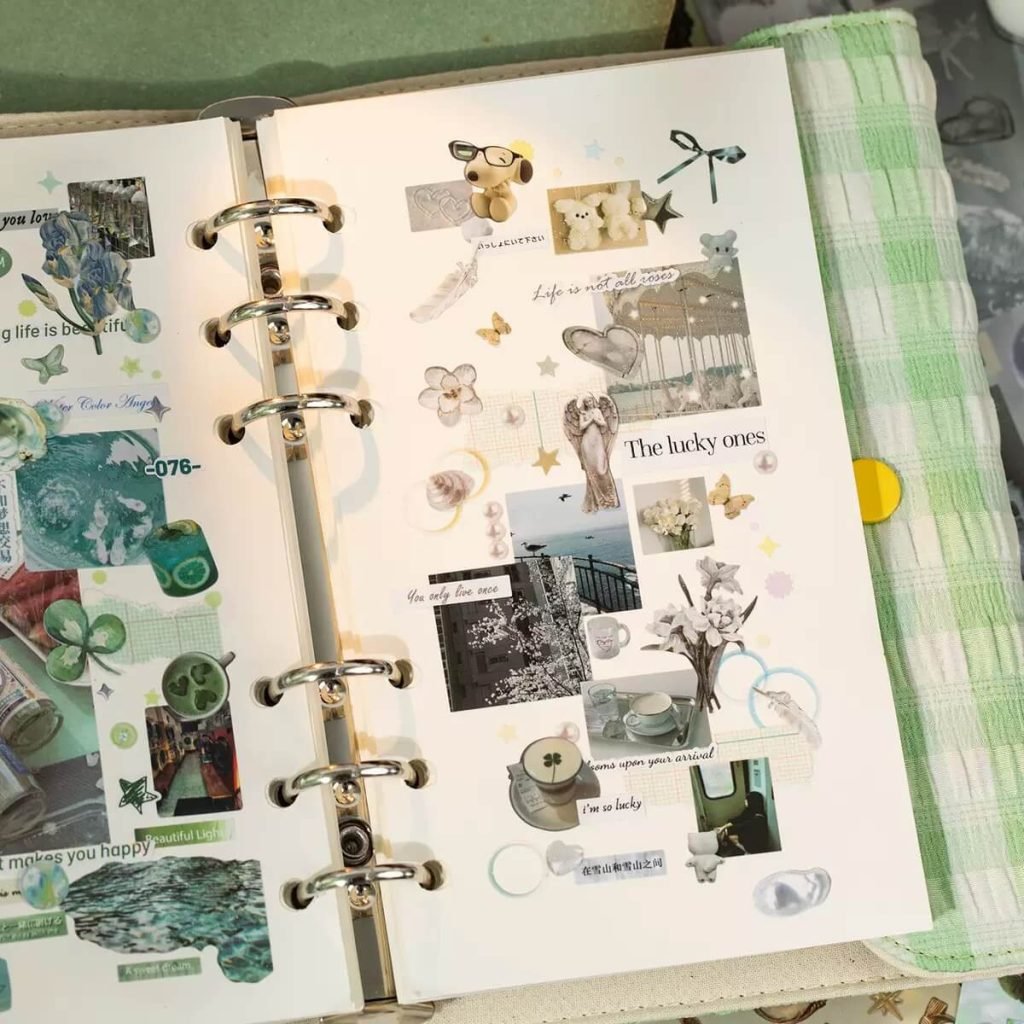 Étiquettes et autocollantsAutocollants gaufrésExaminez les autocollants gaufrés en tant qu'option concrète au sein des étiquettes et des autocollants et comparez la finition, le format et la commande en fonction de votre cahier des charges.Voir le produit
 Étiquettes et autocollantsImpression d'autocollants voiture, plaque d'immatriculation temporaire, marque de protection temporaire, autocollants de transfert 3D, autocollants en pâte magnétique pour l'extérieur, étiquettes en métal UV polyester PVC vinyleRévision de l'impression d'autocollants voiture Plaque d'immatriculation temporaire, Marque de protection temporaire, Décalques de transfert 3D, Autocollants en pâte magnétique pour l'extérieur, Etiquettes en métal UV Polyester PVC Vinyle...Voir le produit
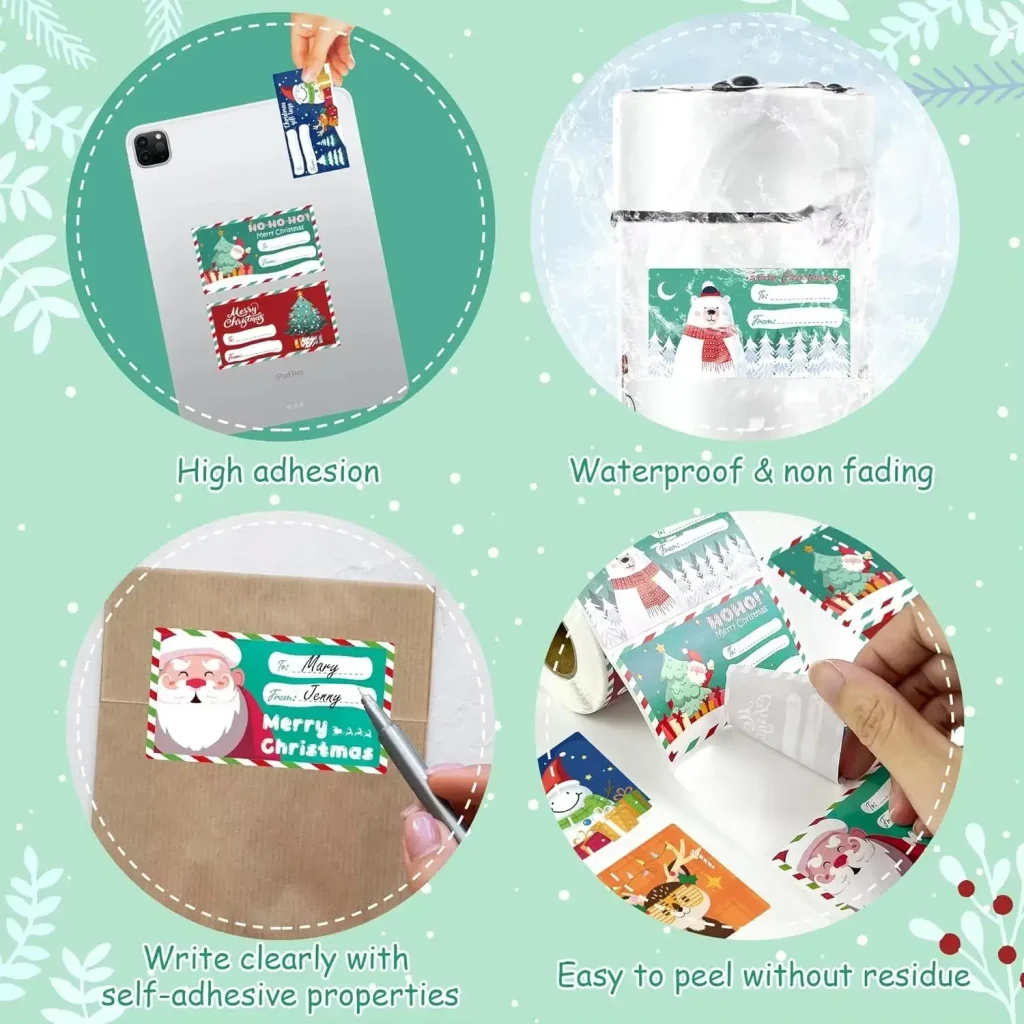 Rouleaux d'étiquettes personnalisésBulk 500PCS Christmas Waterproof Custom Printed Gift Wrapping Packaging Sticker Label Tag for Christmas Presents DecorationsLe site internet de l'entreprise est en cours d'élaboration. Il a pour but de fournir des informations sur les produits et les services de l'entreprise....Voir le produit
Options connectées
Options commerciales liées à ce guide
Grâce à ces options, le guide reste lié aux catégories de produits connexes et aux choix commerciaux fondamentaux que les acheteurs examinent généralement avant de se renseigner.
Questions courantes en matière de planification
What details help speed up planning for From Paper to Vinyl: Everything You Need to Know Before Ordering Custom Stickers?
Un dossier de départ plus clair comprend généralement les dimensions cibles, l'orientation des matériaux, les attentes en matière de finition, la quantité, les exigences du marché et la destination de la livraison. Ces points éliminent les conjectures avant le début de l'échantillonnage ou du devis.
Can From Paper to Vinyl: Everything You Need to Know Before Ordering Custom Stickers be aligned with related packaging components?
Oui. Les travaux ont tendance à se dérouler plus facilement lorsque les éléments adjacents sont examinés ensemble, en particulier lorsque les finitions, les approbations, les caractéristiques de sécurité ou les performances d'expédition doivent rester cohérentes dans l'ensemble du paquet final.
How can I move from research to a quotation for From Paper to Vinyl: Everything You Need to Know Before Ordering Custom Stickers?
Utilisez le formulaire de contact en indiquant les principales dimensions, l'état de l'œuvre, la quantité et la destination. HKKAYU disposera ainsi d'un contexte suffisant pour commenter la faisabilité et proposer une orientation, au lieu de se contenter de réagir à un briefing partiel.
Qu'est-ce qui facilite généralement la discussion suivante avec le fournisseur ?
Indiquez le marché visé, la fourchette de quantité, les attentes en matière de finition, la méthode d'expédition et tous les éléments liés qui doivent correspondre. Cela permet d'ancrer la conversation suivante dans le travail réel plutôt que dans des hypothèses générales.
Guides d'achat
Plus de guides d'achat dans la même famille de produits
Continuez à comparer les spécifications, les détails d'approbation et les choix de produits adjacents avec ces ressources connexes.
HKKAYU
Prêt à transformer le dossier en une prochaine étape pratique ?
Partagez les principales dimensions, la quantité, l'état de la maquette et la destination de livraison et HKKAYU pourra revoir le travail en gardant à l'esprit la réalité de la production.
Ce qui aide généralement en premier lieu
Envoyer un briefing de départ à un nettoyeur
- L'orientation principale du produit et les composants imprimés correspondants.
- Statut de la maquette, bande de quantité et calendrier d'approbation.
- Destination de la livraison, priorité d'arrivée et délai commercial.
