


















Uncategorized
From Paper to Vinyl: Everything You Need to Know Before Ordering Custom Stickers
HKKAYU • B2B buying guide
From Paper to Vinyl: Everything You Need to Know Before Ordering Custom Stickers
Custom stickers printing entails making different choices, many more than one may initially think. A buyer will typically need to decide on material, print method finish adhesive type,…
Planning brief
What usually gets confirmed early
- Tuotteen pääsuunta ja siihen liittyvät painetut komponentit.
- Taideteoksen tila, määräväli ja hyväksynnän ajoitus.
- Toimituksen määränpää, viimeistelyn prioriteetti ja kaupallinen määräaika.
Sisällysluettelo
Siirry haluamaasi osioon
B2B-lukemisen painopiste
Mitä ostajan, hankintapäällikön tai projektin omistajan tulisi vahvistaa?
- Tarkista, miten suositus vaikuttaa määrittelyn selkeyteen, hyväksynnän kulkuun ja uusintatilausten johdonmukaisuuteen.
- Käytä artikkelia ostoapuna, ei pelkästään suunnittelun viitteenä: hankinnoilla, toimitusajalla ja tuotannon valvonnalla on merkitystä.
- Vahvista seuraava vaihe suhteessa kaupalliseen aikatauluun, kohdemarkkinoihin ja laajempaan pakkaustehtävään.
Custom stickers printing entails making different choices, many more than one may initially think. A buyer will typically need to decide on material, print method finish adhesive type, and application surface before even the first sticker goes to press, and every one of those choices will have an impact on sticker performance once the sticker is no longer on the production line. For brand owners and packaging buyers who order stickers custom to a product, a shelf, a shipment, or a security requirement, nailing the fundamentals during the briefing stage prevents reprints and mismatches of expectations later.
This guide presents a walk-through of what defines a custom stickers printing order, choice of material and printing options, and things that must be confirmed before placing a quote request.
What "custom stickers printing" actually covers?
Printing custom stickers is not one single product, it’s rather the name of a process that changes and improves given the surface type, function and durability needs of each sticker made with the help of it. The same fundamental process can yield:
- Pictures and labels of products that are put on bottles jars packages or shopping Bags
- Logo stickers intended for a store, to give out freebies, or to enhance un-boxing experiences
- Specialist constructions like raised shiny reflective, night light, etc.
- Special stickers to detect counterfeit products or guarantee product originality
- Formats dedicated to a particular use: for instance bandanas stickers or even roll labels that allow automatic dispensation
Different end uses mean that a good, helpful custom sticker printing brief usually is drawn up after identifying the application context and what the sticker should withstand first. Not just from a material or finish point of view.
Material choices for sticker’s custom to your product
Material is the first choice one has to make as it is the factor that together determines the durability, print clarity and the cost.
- Paper stickers are economical and suitable for use in indoor environments, short lifespan situations or promotional items where there is no concern of water or oil exposure.
- Vinyl or sticker material is water-resistant and can withstand outdoor handling, so they are a common pick for product labels that require survival in transit or in bathroom or kitchen conditions.
- In case of transparent or see – through stickers the container acts as part of the branding and having a visible background improves shelf display.
- Retailers who put emphasis on environmental aspects will be using sticker material which is 100% compostable or recyclable as their choice without compromising the print result.
- Specialty stock or other unusual sticker materials like epoxy, domed, embossed or glow – in – the – dark stickers are the ones that differentiate themselves from others and attract customers to the shelf rather than the ones that are simply very durable in function.
The best choice of material is the one that will be able to deal with the surface, storage condition and shelf life required for your sticker actually, you do not have to be necessarily opting for the most expensive material.
Print methods and finishes that affect the result
Print process and print finish together determine how sharp, long-lasting and high-quality a printed label will appear.
- Digital printing is more suitable for short print runs, variable data, and faster turnaround, so it is generally preferred by small brands or ones that need to change SKU frequently.
- At higher production levels, the offset and flexo printing technologies are generally more economically favorable, mainly when the perfect shade on many products is more important than the ability to change design per each unit.
- Glossy or shiny finishes enhance the visibility of colors and are often the choice for labels that come in contact with retailers.
- Matte finishes decrease the light reflection or glare and are quite often selected to give the impression of something more refined or a bit hidden.
- Embossed or a texturized (relief or raised areas) finish adds a tactile dimension which can visually enhance or communicate the product’s identity.
Identifying which print method and finish are to be used and which raw material ensures not only that the supplier can calculate a correct price, but also that they do not run into a snag because some materials and/or finishes will prolong manufacturing time Quite a bit, or be unsuitable for low orders.
Adhesive and application considerations
The selection of an adhesive can easily be the one factor people neglect, though it has a major influence on whether the sticker is going to survive the purpose it is meant for:
- Permanent adhesives are for the use of printing labels onto products which shouldn’t be taken off. They usually are applied on primary packaging.
- Removable adhesives would be suitable if you are printing promotional stickers, temporary labels or making use of such where changing position is required.
- Water- and oil-resistant adhesives are suitable for use in labeling bottles, jars and other kinds of packaging that are going to be in contact with condensation, spillage or humidity during storage.
Selecting the appropriate adhesive for the application surface, whether it be glass plastic cardboard fabric etc. is equally important with selecting the sticker material because a badly matched adhesive is one of the main reasons for stickers peeling or coming off after application.
Common mistakes in a custom stickers printing brief
- Deciding a material only by its appearance, ignoring the storage and handling conditions of the sticker.
- Omitting the adhesive type in the brief and taking for granted that the standard option will do.
- Switching gloss with matte samples between rounds of approval and Because of this changing the color perception.
- Failing to account for variable data or multiple SKUs when deciding on the print method and lead time.
- Agreeing on the size and shape at last, after finalizing the artwork for a different dimension.
What to confirm before requesting a quote
When your brief includes the details listed below, buyers typically get a quicker, more accurate price.
- Where the sticker will be applied and in which environment it needs to be placed
- Material that you want – paper vinyl transparent, eco-friendly or specialty stock
- Print method that you prefer, if you know, and the size of the print run
- Direction of the finish – glossy matte embossed or textured
- Type of adhesive which matches your surface and storage conditions
- Final dimension design quantity band and target market
Usein kysytyt kysymykset
What is the difference between custom stickers printing and standard label printing?
Custom stickers printing usually includes more shapes, finishes and special features compared to standard label printing, which is most of the time limited to the simple roll-fed formats. Given the application, both processes are quite similar.
Which material is best for sticker’s custom to outdoor or high-moisture use?
The most commonly used option is vinyl stickers with a water-resistant adhesive that protects them if they get wet or damp. These stickers are very suitable for bathroom, kitchen products and for packaging that often gets subjected to humidity or condensation.
Does print method affect minimum order quantity?
Yes. It depends a great deal on the type of printing. Digital printing enables the possibility of shorter runs and variable data quite easily, but the other printing technologies like offset and flexo usually become more affordable when printing larger numbers.
Can custom stickers include security or authentication features?
Absolutely, security and counterfeiting measures can be integrated during the production process. Features like holograms, invisible ink markings or even serial number identification are examples of security measures that can be incorporated for brands that have the need to prevent counterfeiting or keep a clear trace of the product’s production.
What is the easiest way to avoid mismatched samples during approval?
Make sure to have your material, finish and adhesive agreed and written in detail before the first production sample. Also it is advisable to keep a reference sample with label attached so that during the comparison of future production runs you can easily identify any variation.
Bring the details into your next brief
In case a product needs labels, retail stickers, or specialty formats such as embossed or security-enabled stickers, it is advisable to share information about the application surface, material direction, finish preference, and estimated quantity early enough. Doing this helps greatly in right from the beginning of the production plan. With expertise in all types of custom labels, HKKAYU is in tune with brand owners and packaging buyers and besides the usual stickers, roll labels, specialty constructions and security print, they can also check out the material and finish match as part of the quote.
What usually helps first?
- Application surface and use case
- Material and finish direction
- Adhesive requirements
- Quantity band and destination market
Request a Production Quote · Explore Custom Labels & Stickers
Asiaankuuluvat tuotteet
Tuotteet, joita tämä opas auttaa selittämään
Käytä näitä tuotevaihtoehtoja siirtyäksesi tutkimuksesta todellisiin muotoihin, rakenteisiin ja komponenttivaihtoehtoihin, jotka liittyvät oppaaseen.
 Väritarrojen tulostusCannabis Stickers: Durable, Compliant & Custom Printed Labels for Cannabis ProductsReview Cannabis Stickers: Durable, Compliant & Custom Printed Labels for Cannabis Products as a concrete option within Color Label Printing and compare finish, format…Näytä tuote
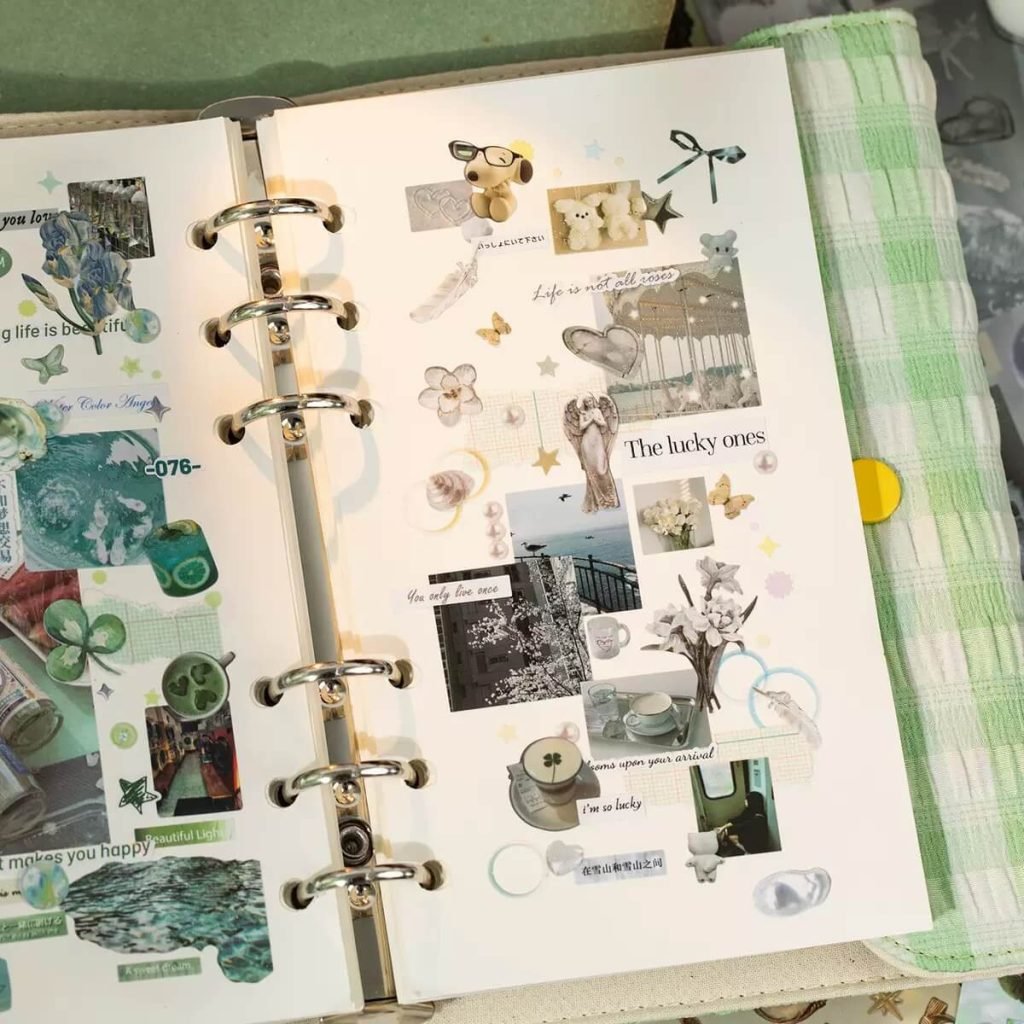 Tarrat ja tarratKohokuvioitu tarratTarkista kohokuvioidut tarrat konkreettisena vaihtoehtona tarroissa ja tarroissa ja vertaa viimeistelyä, muotoa ja tilausta, jotka sopivat toimeksiantoosi.Näytä tuote
 Tarrat ja tarratCustom Car Tarra tulostus tilapäinen rekisterikilpi, tilapäinen Protector Mark, 3D Transfer tarrat, Outdoor Magneettinen Paste tarrat, Metal UV Polyesteri PVC Vinyl TarratArvostelu Custom Car Tarra Tulostus Väliaikainen rekisterikilpi, Väliaikainen Protector Mark, 3D Transfer tarrat, Outdoor Magnetic Paste Tarrat, Metal UV Polyesteri PVC Vinyl Tarrat...Näytä tuote
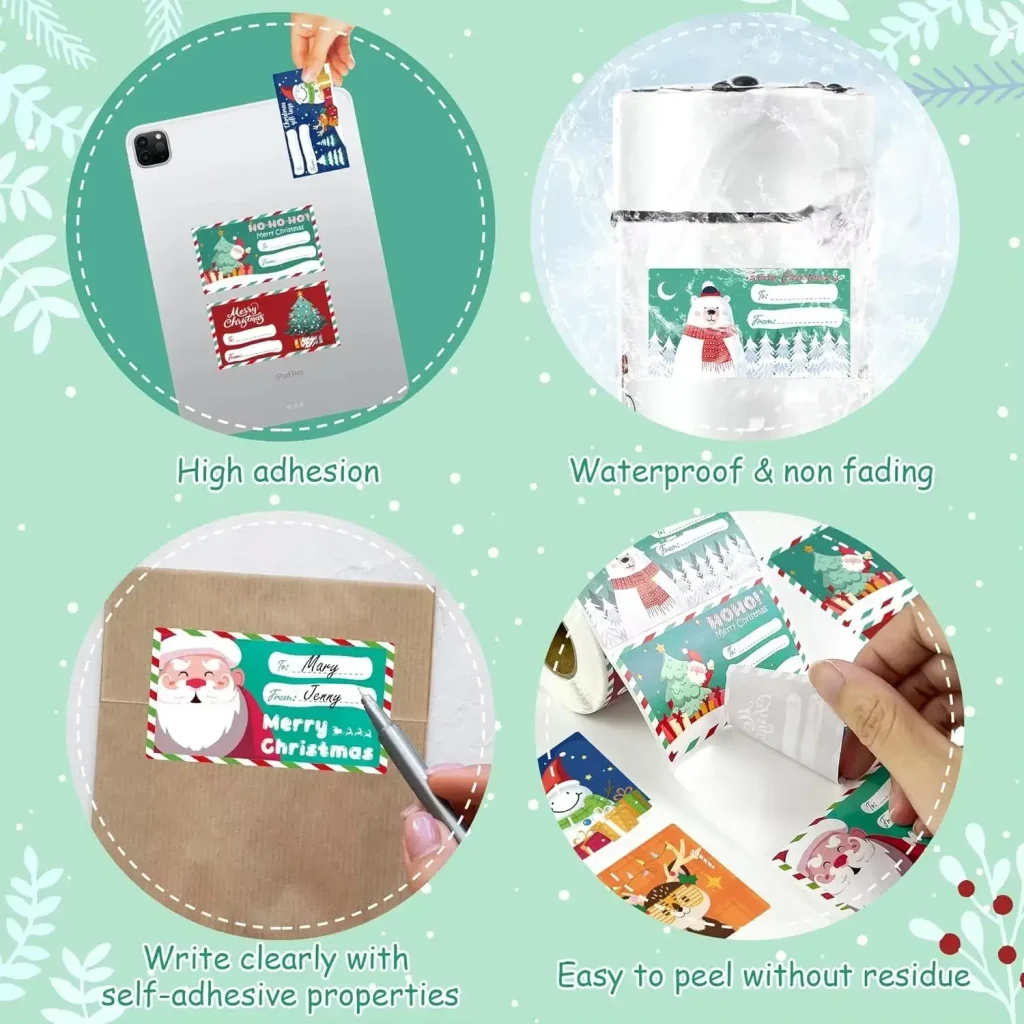 Mukautetut etikettirullatBulk 500PCS joulu vedenpitävä Custom painettu lahja pakkaus pakkaus tarra tarra tag joululahjat koristeetReview Bulk 500PCS joulu vedenpitävä Custom painettu lahja Wrapping pakkaus Tarra Label Tag joululahjat koristeet kuin konkreettinen vaihtoehto sisällä Custom Label...Näytä tuote
Liitetyt vaihtoehdot
Tähän oppaaseen liittyvät kaupalliset vaihtoehdot
Nämä yhdistetyt vaihtoehdot pitävät oppaan sidottuna toisiinsa liittyviin tuoteryhmiin ja keskeisiin kaupallisiin valintoihin, joita ostajat yleensä tarkastelevat ennen kyselyä.
Yleiset suunnittelukysymykset
What details help speed up planning for From Paper to Vinyl: Everything You Need to Know Before Ordering Custom Stickers?
Puhtaampaan aloituskäsikirjoitukseen sisältyy yleensä tavoitemitat, materiaalin suuntaus, viimeistelyodotukset, määrä, markkinavaatimukset ja toimituskohde. Nämä kohdat poistavat arvailut ennen kuin näytteenotto tai tarjouksen tekeminen aloitetaan.
Can From Paper to Vinyl: Everything You Need to Know Before Ordering Custom Stickers be aligned with related packaging components?
Kyllä. Työt sujuvat yleensä sujuvammin, kun vierekkäisiä osia tarkastellaan yhdessä, erityisesti silloin, kun viimeistelyn, hyväksyntöjen, turvaominaisuuksien tai toimitustehon on pysyttävä yhdenmukaisina lopullisessa pakkauksessa.
How can I move from research to a quotation for From Paper to Vinyl: Everything You Need to Know Before Ordering Custom Stickers?
Käytä yhteydenottolomaketta ja ilmoita tärkeimmät mitat, teoksen tila, määrä ja määränpää. Tämä antaa HKKAYUlle riittävästi kontekstia kommentoida toteutettavuutta ja antaa tarjouksen suunnasta sen sijaan, että se reagoi vain osittaiseen toimeksiantoon.
Mikä yleensä helpottaa seuraavaa toimittajakeskustelua?
Jaa aiotut markkinat, määräalue, viimeistelyodotukset, toimitustapa ja kaikki niihin liittyvät osat, joiden on vastattava toisiaan. Tämä pitää seuraavan keskustelun perustana todellisen työn eikä yleisten oletusten pohjalta.
Ostajan oppaat
Lisää ostajan oppaita samasta tuoteperheestä
Jatka erittelyjen, hyväksyntätietojen ja vierekkäisten tuotevalintojen vertailua näillä aiheeseen liittyvillä resursseilla.
HKKAYU
Oletko valmis muuttamaan toimeksiannon käytännölliseksi seuraavaksi askeleeksi?
Jaa tärkeimmät mitat, määrä, taideteoksen tila ja toimituspaikka, niin HKKAYU voi tarkastella työtä tuotantotodellisuutta silmällä pitäen.
Mikä yleensä auttaa ensin
Lähetä siivoojalle aloitusvaltuutus
- Tuotteen pääsuunta ja siihen liittyvät painetut komponentit.
- Taideteoksen tila, määräväli ja hyväksynnän ajoitus.
- Toimituksen määränpää, viimeistelyn prioriteetti ja kaupallinen määräaika.
