















Uncategorized
Individueller Etikettendruck in China: Was sollten internationale Käufer wissen, bevor sie bestellen?
HKKAYU • B2B-Kaufratgeber
Custom Sticker Printing in China: What Should International Buyers Know Before They Order?
China is one of the global printing and packaging hubs, and there is a good reason for that. Many overseas companies, such as online sellers and distributors, choose…
Planungs-Briefing
Was üblicherweise früh bestätigt wird
- Hauptproduktrichtung und die dazugehörigen gedruckten Komponenten.
- Druckvorlagenstatus, Mengenband und Genehmigungszeitpunkt.
- Bestimmungsort, Zielpriorität und Handelsfrist.
Inhaltsübersicht
Springen Sie zu dem Abschnitt, den Sie benötigen
B2B-Leseschwerpunkt
Was ein Einkäufer, Beschaffungsleiter oder Projektverantwortlicher bestätigen sollte
- Prüfen Sie, wie sich die Empfehlung auf Spezifikationsklarheit, Freigabeprozess und Wiederholungsbestellkonsistenz auswirkt.
- Nutzen Sie den Artikel als Einkaufshilfe, nicht nur als Designreferenz: Beschaffung, Lieferzeit und Produktionskontrolle sind entscheidend.
- Bestätigen Sie den nächsten Schritt anhand des kommerziellen Zeitplans, des Zielmarkts und des übergeordneten Verpackungsauftrags.
China is one of the global printing and packaging hubs, and there is a good reason for that. Many overseas companies, such as online sellers and distributors, choose Chinese manufacturers due to their vast product range, flexible ordering options, and affordable pricing. However, there are some concerns that arise when buying products in China, such as color matching, product quality, delivery time, and others.
The following article will highlight the essential things to consider before ordering custom stickers from a Chinese printing company to avoid issues with your first order and have even better results with the next one.
Why Do So Many Overseas Brands Source Stickers From China?
The appeal is in its practicality rather than ostentation. Established printers in China often offer under one umbrella such services as digital and flexographic printing, die-cutting, finishing and packing – thus reducing the number of suppliers involved and giving more control over the lead time.
For buyers, the main benefits usually tend to be:
- A wide choice of materials, from paper and transparent film to waterproof synthetic and special textured stocks.
- Flexible minimum order values, useful both to start-ups testing a product and to brands reordering stock regularly.
- Competitive pricing at volume, particularly after artwork and sizes have been agreed.
- Experience of export orders, including packing and shipping goods overseas.
That said, the cheapest quotation is not always the best. A supplier who asks the right questions before quoting is a more reliable partner than one who offers a low price without due consideration.
Understanding Custom Sticker Labels Before You Request a Quote
Choose the Right Material for the Job
The surface that your label will be adhering to, and the conditions that it will be exposed to, will determine the material best suited for your application. A sticker on a dry cardboard box has different needs than a label on a refrigerated bottle or a product that is handled daily.
Common materials include:
- Paper labels that are economical and great for dry, indoor use
- Vinyl and polypropylene (PP) are resistant to moisture and oil and better for harsh environments and scuffing
- Clear film labels give the appearance of a "no label" look on glass or other clear materials
- Specialty stocks, like kraft or metallic, offer a premium feel
Pick a Finish That Matches Your Brand
Gloss brings out the vibrancy in colors, while matte gives the appearance of modern sophistication. Lamination protects printed material from scratches and water. Spot UV, foil or embossing can add visual impact, but also increase costs and time.
Don’t Overlook the Adhesive
It’s the most common detail that buyers forget to mention. Permanent, removable, freezer grade and high-tack adhesives are all different, so that your printed label can stay wherever it needs to. By giving the printer an indication about the surface and temperature and if the label needs to be removed without leaving a trace, they will know which adhesive to pick.
How Does Custom Label Printing Work for Overseas Orders?
A repeatable process makes distance a less important factor. Here is a summary of what to expect for an overseas label printing order.
Step 1: Specify Requirements
Supply the size, shape, quantity, material, finish and artwork. Describing the intended use will help the printer avoid making any incorrect assumptions.
Step 2: Examine the Artwork and Proof
A competent printer will flag problems such as low resolution, missing bleed or unconverted fonts. It is essential to see a proof, preferably, and check spelling, barcodes and legal information.
Step 3: Discussed Colours and Samples
Screen colours are different to print colours. Always ask for samples if the brand colour is critical. A Pantone reference will also be necessary. It is wise to order a sample run for the first order.
Step 4: Production and Quality Control
After the approval, labels are printed, die-cut and tested. Inquire about what quality control measures are in place and what procedures are followed if a defect is found.
Step 5: Packing and Shipment
Printing is only part of the process as labels are sensitive to humidity and pressure. Ensure that the packing and transportation method is appropriate and that all customs documentation is covered in the agreement before the printing is approved.
Common Mistakes International Buyers Make
- Sending artwork in a wrong format. To get a vector file (PDF or AI) to ensure that all lines and text are sharp and clear.
- Not looking at the proof. It may seem faster to approve right away, but what if there is a typo that gets printed 10,000 times?
- Ordering by the lowest price. The materials and adhesive quality play an important role in the final look and feel of your product, which your customer will appreciate.
- Not considering the lead time. The production and shipping time should always be taken into account when planning a product launch or any other project.
- Forgetting about regulations. Different markets have various requirements for food packaging, cosmetics, and electronics. Always double-check what applies to your product and make sure your packaging complies.
How to Choose a Trustworthy Printing Partner
Look for experience: technical questions answered, samples provided, timelines given in good detail and willingness to explain trade-offs. Responsive communication in the quoting process is likely to continue throughout the project. The supplier should also be forthcoming about what they can’t do, if they say everything is no problem ask them harder questions.
Häufig gestellte Fragen
What is the minimum order for custom sticker labels?
It depends on the printer, the materials and the printing method. Digital printing is often used for smaller batches, while higher quantities usually cut the price per label. Ask for quotes at different quantities to find the best value.
How long does custom label printing take?
It can take anywhere from a few days to a few weeks, depending on the design and finishing complexity, plus shipping time. Always ask for an estimated production time and delivery date before placing an order.
Can I get a sample before placing a bulk order?
Most label printers will be able to provide a sample or do a test print run so that you can check the colours, material and adhesive. This is the best way to make sure everything looks good before you order larger quantities.
What file format should I send my artwork in?
Vector files such as PDF, AI or EPS with outlined fonts and a bleed are preferred, but high resolution PNG or JPGs can also work. Ask your printer what file formats they require for your specific project.
Are waterproof stickers available?
Vinyl and polypropylene are common materials that resist moisture, while lamination adds an extra level of protection. Be sure to let your printer know what conditions the label will be exposed to so that they can help you choose the right combination.
How can I be sure the colours will match my brand?
You should always provide Pantone references or specify particular colours that the printed label should match. Ask to see a proof before they print any large orders, and consider getting a physical sample if there are any Pantone colours included in the design. Remember that there may be some minor differences between colours on screen and in print, so it’s a good idea to establish a colour tolerance beforehand.
Ready to Start Your Custom Sticker Label Project?
Whatever your requirements are, whether it is a new product or reprinted packs, the right label makes all the difference. Our team is here to help you choose the right materials, finishes and quantities for your custom label printing needs. Just visit our custom labels and stickers page, view our offers and send us your request for a quote.
Einschlägige Produkte
Produkte, die dieser Leitfaden erklärt
Nutzen Sie diese Produktoptionen, um von der Forschung zu realen Formaten, Strukturen und Komponentenoptionen in Verbindung mit dem Leitfaden zu gelangen.
 Farbiger EtikettendruckCannabis-Aufkleber: Langlebige, konforme & individuell bedruckte Etiketten für CannabisprodukteBewerten Sie Cannabis-Aufkleber: Langlebige, konforme & individuell bedruckte Etiketten für Cannabisprodukte als konkrete Option im Bereich Farbetiketten-Druck und vergleichen Sie Veredelung, Format…Produkt ansehen
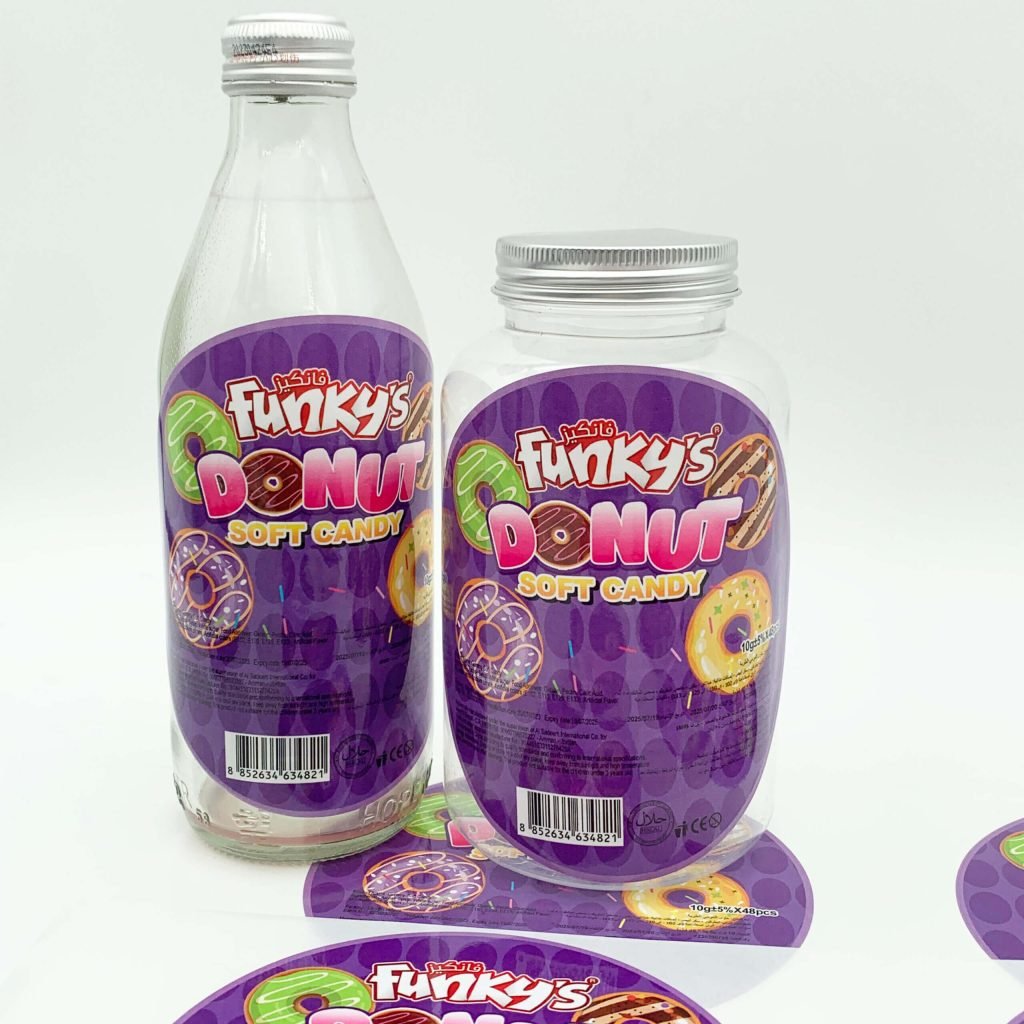 Glänzende AufkleberKundenspezifische Aufkleber Selbstklebendes wasserdichtes Etikett Vinylrolle Aufkleber DruckÜberprüfen Sie individuelle Aufkleber Selbstklebend Wasserdichtes Etikett Vinyl Rolle Aufkleber Druck als eine konkrete Option innerhalb Glossy Stickers und vergleichen Sie Ausführung, Format und Bestellung...Produkt ansehen
 Farbiger EtikettendruckWasserlösliche Etiketten individuell bedruckenÜberprüfen Sie wasserlösliche Aufkleber Etikettendruck als konkrete Option innerhalb von Color Label Printing und vergleichen Sie Ausführung, Format und Bestellung passend für Ihren Auftrag.Produkt ansehen
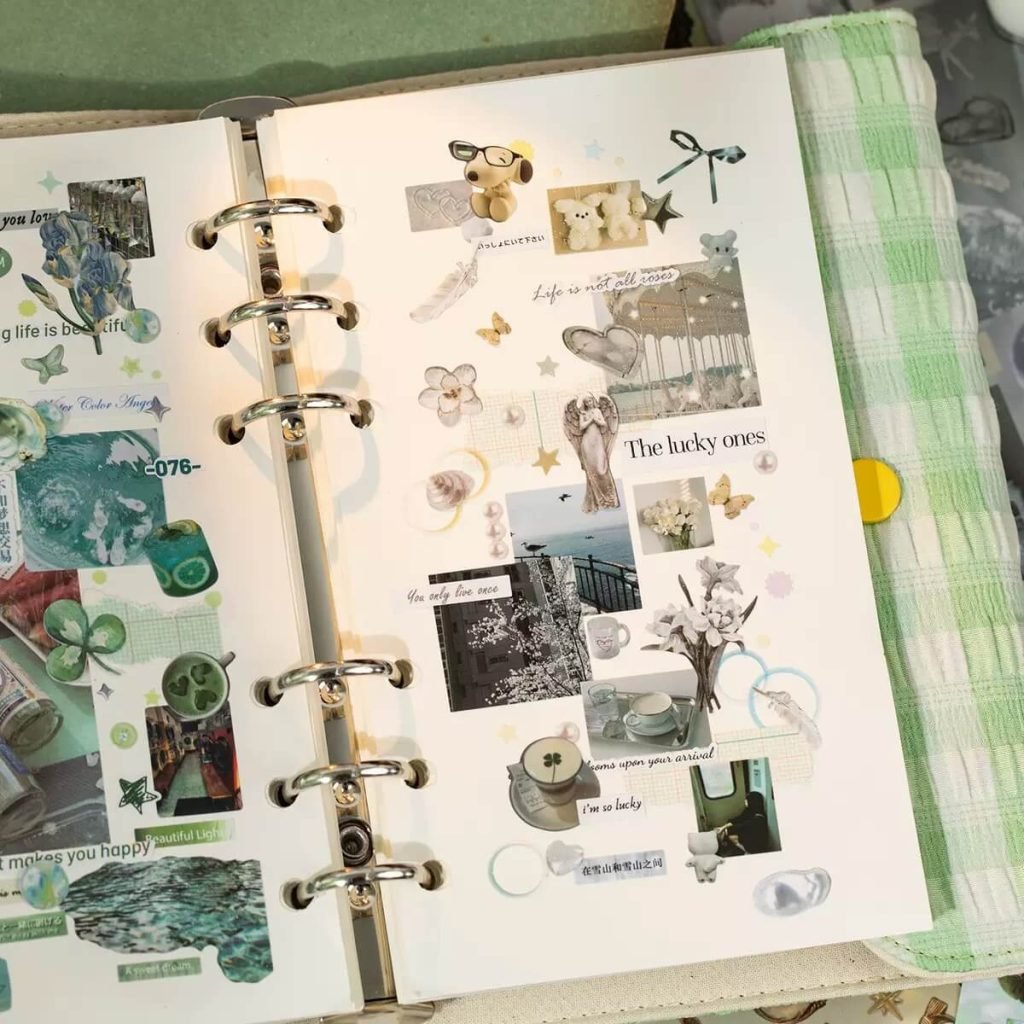 Etiketten und AufkleberGeprägte AufkleberPrüfen Sie geprägte Aufkleber als konkrete Option innerhalb von Etiketten und Aufklebern und vergleichen Sie Ausführung, Format und Bestellung passend zu Ihrem Auftrag.Produkt ansehen
Angeschlossene Optionen
Kommerzielle Optionen in Verbindung mit diesem Leitfaden
Durch diese Verknüpfungen bleibt der Leitfaden an die entsprechenden Produktkategorien und die wichtigsten kommerziellen Optionen gebunden, die Käufer in der Regel prüfen, bevor sie eine Anfrage stellen.
Allgemeine Fragen zur Planung
What details help speed up planning for Custom Sticker Printing in China: What Should International Buyers Know Before They Order??
Eine klare Anfrage enthält üblicherweise die gewünschten Maße, Materialvorstellungen, Anforderungen an die Veredelung, Menge, Marktanforderungen und den Lieferort. Diese Angaben vermeiden Unklarheiten vor der Bemusterung oder Angebotserstellung.
Can Custom Sticker Printing in China: What Should International Buyers Know Before They Order? be aligned with related packaging components?
Ja. Aufträge laufen in der Regel reibungsloser ab, wenn benachbarte Komponenten gemeinsam geprüft werden, vor allem dann, wenn Oberflächenabstimmung, Genehmigungen, Sicherheitsmerkmale oder Versandleistung in der Endverpackung konsistent bleiben müssen.
How can I move from research to a quotation for Custom Sticker Printing in China: What Should International Buyers Know Before They Order??
Geben Sie im Kontaktformular die wichtigsten Maße, den Stand der Druckdaten, die Menge und den Lieferort an. So erhält HKKAYU genügend Informationen, um die Machbarkeit und die Grundlagen eines Angebots zu beurteilen.
Was erleichtert in der Regel das nächste Lieferantengespräch?
Teilen Sie den beabsichtigten Markt, den Mengenbereich, die Erwartungen an die Ausführung, die Versandart und alle damit verbundenen Komponenten mit, die übereinstimmen müssen. So bleibt das nächste Gespräch auf den tatsächlichen Auftrag bezogen und nicht auf allgemeine Annahmen.
Einkaufsführer
Weitere Einkaufsführer in derselben Produktfamilie
Vergleichen Sie weiterhin Spezifikationen, Zulassungsdetails und benachbarte Produktauswahlen mit diesen verwandten Ressourcen.
HKKAYU
Sind Sie bereit, den Auftrag in einen praktischen nächsten Schritt umzusetzen?
Teilen Sie uns die Hauptabmessungen, die Menge, den Status der Druckvorlage und den Lieferort mit, und HKKAYU kann den Auftrag unter Berücksichtigung der Produktionsbedingungen überprüfen.
Was in der Regel zuerst hilft
Senden Sie eine klarere Projektbeschreibung
- Hauptproduktrichtung und die dazugehörigen gedruckten Komponenten.
- Druckvorlagenstatus, Mengenband und Genehmigungszeitpunkt.
- Bestimmungsort, Zielpriorität und Handelsfrist.
