



















Custom Cigarette Packaging • Money Page
Cigarette Inner Frame Paper
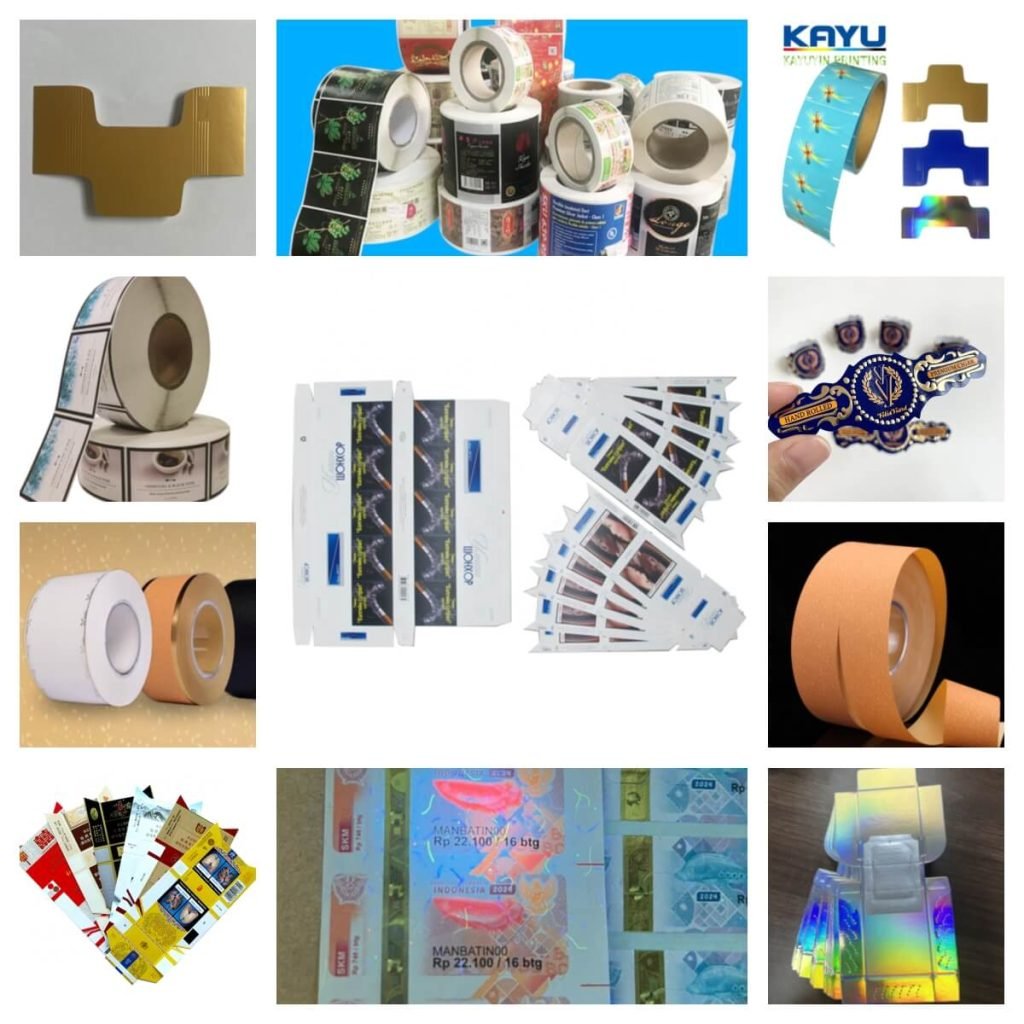
Cigarette Packaging Cigarette inner frame paper is the paperboard component used inside a cigarette pack to support its shape and opening area. Use this overview to plan the…

Cigarette Packaging
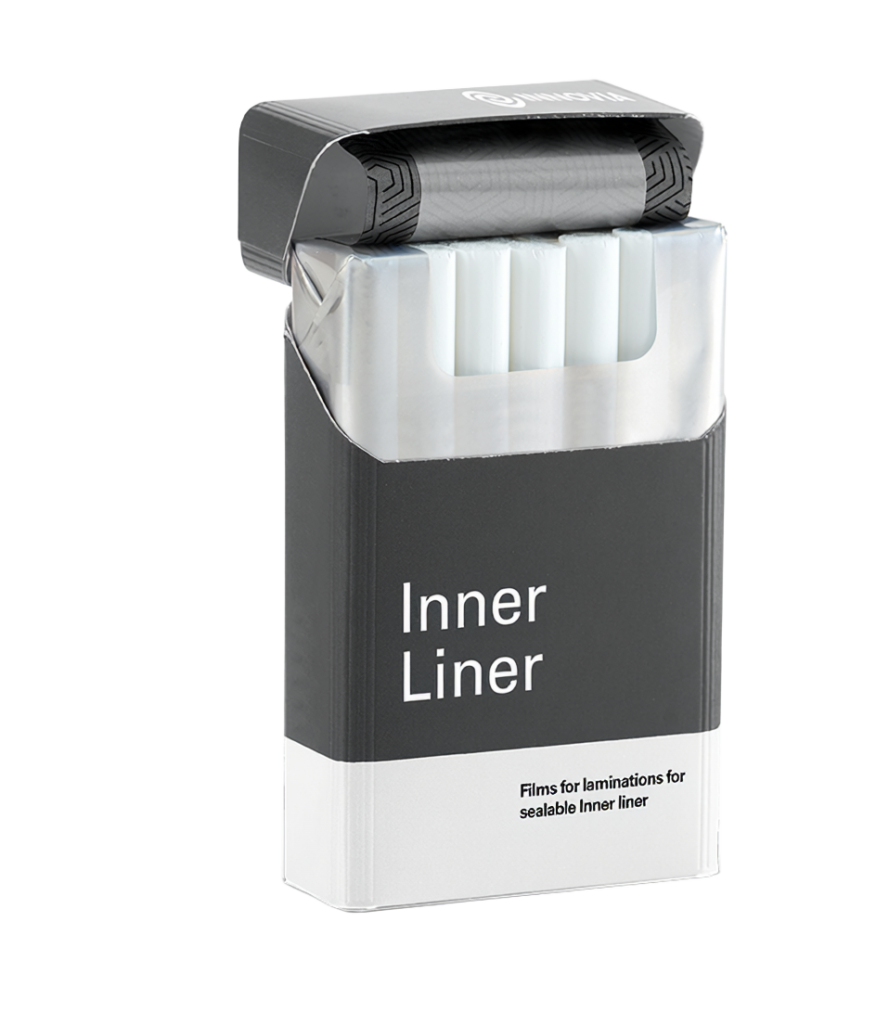
Cigarette inner frame paper is the paperboard component used inside a cigarette pack to support its shape and opening area. Use this overview to plan the fit between the inner frame, outer carton, inner liner and packing process before requesting a quotation. Moisture and aroma protection should be assessed with the liner and the complete pack structure.
For a specification review, provide the pack format, board thickness or grammage, stiffness requirements, grain direction, die-cut dimensions, crease positions, quantity and packing-line information. A reference sample or dieline helps identify the details that need to be confirmed. Review the inner frame paper product and quotation requirements, or send your pack brief to HKKAYU.
Where this format tends to work best
Cigarette Inner Frame Paper make the most sense for packaging developers, component buyers, carton manufacturers, tobacco brands, and procurement teams. Some buyers are focused on appearance and brand consistency, while others are more concerned with line speed, durability in transit, or how the finished component behaves in a regulated environment. The common thread is that they want to avoid problems such as weak pack mouth support, misfit with liner, forming inefficiency, and inconsistent pack shape. A good specification helps solve those issues before production starts and creates outcomes such as better box rigidity, cleaner opening structure, more stable pack geometry, and improved component coordination. That is why the most productive projects usually begin with a discussion about the end use, the environment the product will face and the non-negotiable details that have to be right in the first run.
- Pack rigidity
- Opening support
- Insert control
- Structural stability
- Hard packs
Materials, finishes and technical decisions that shape the result
Material and finish decisions shape how cigarette inner frame paper perform in the real world. Depending on the brief, the most relevant options can include folding box board, metallized paper, aluminum foil laminates, barrier films, embossing stock, and tax-compatible substrates along with finishes such as soft-touch coating, matte varnish, gloss varnish, hot foil, embossing, and spot UV. Selection should be guided by factors such as barrier performance, line compatibility, regulatory copy area, opening experience, shelf impact, and tamper features, because those are the details that influence how the printed piece behaves after it leaves the press. Structural coordination between the outer carton and inner components is just as important as the printed surface finish. For projects that also need room for market-specific warnings, tax-stamp compatibility, traceability support, and structural consistency, artwork planning and production planning should move together so that performance requirements do not undermine readability or presentation.
- Folding box board
- Metallized paper
- Aluminum foil laminates
- Barrier films
- Embossing stock
- Soft-touch coating
- Matte varnish
- Gloss varnish
Artwork, data and approval details worth settling early
Artwork approval is often where the strongest projects separate themselves from the weakest. Before the job reaches production, the brief should confirm structural dielines, opening path, warning copy, component fit and any stamp or code interaction. That does not mean the artwork has to be overcomplicated. It means the visual design and the production rules need to agree with each other. A layout that looks clean on screen can still become difficult to read, hard to apply or expensive to repeat if the underlying specification is vague. Spending a little more time on the approval stage usually saves much more time later in proofing, sampling and production correction.